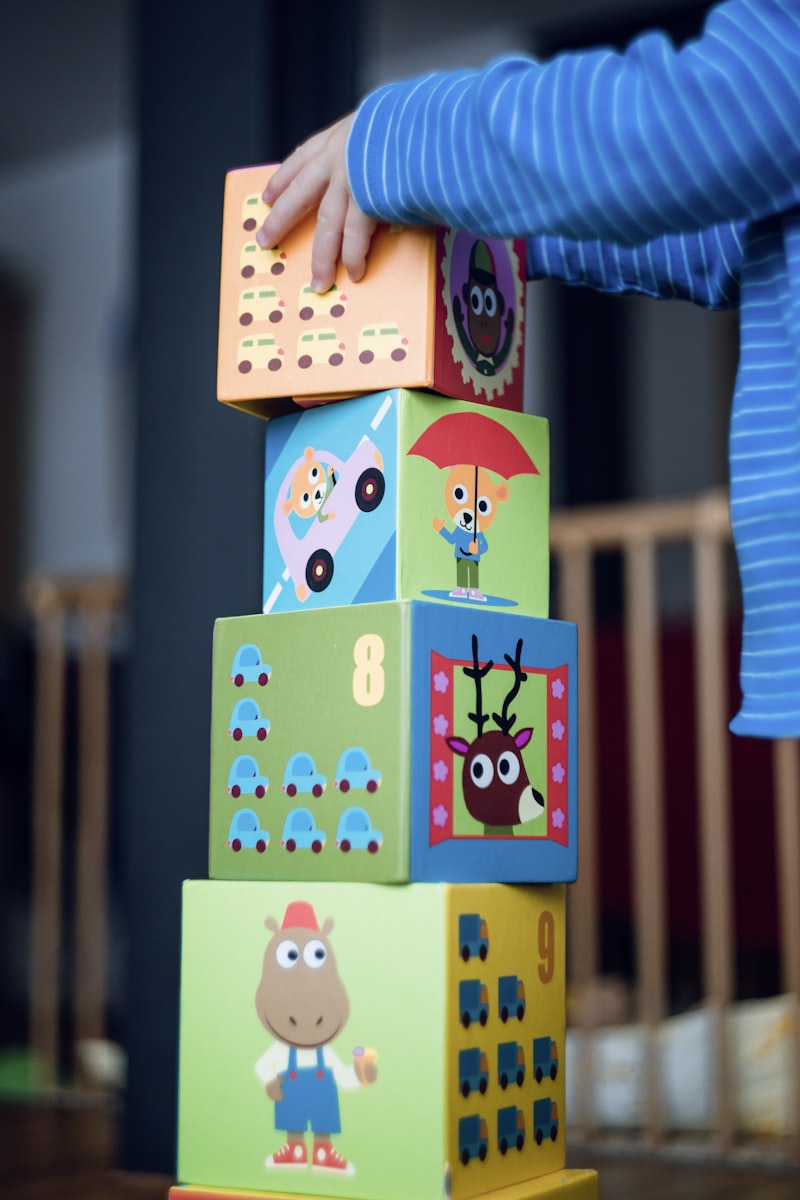
Play-based learning is the foundation of quality early childhood education in Australia. Here's what it actually means, how it works in long day care, and why it is the most effective way for young children to learn.
Play is Not the Opposite of Learning
One of the most persistent misconceptions about early childhood education is that play and learning are separate activities — that children play when they are not learning, and learn when they are not playing. This misunderstanding leads some families to favour centres that prioritise "academic" activities (worksheets, letter tracing, structured lessons) over play-based approaches.
The evidence does not support this view. Decades of research in developmental psychology and neuroscience consistently show that play is children's primary mode of learning — not a break from it. This is why Australia's national curriculum framework for early childhood, the Early Years Learning Framework (EYLF), is grounded in play-based learning, and why quality long day care centres use play as the vehicle for supporting development across all domains.
What Play-Based Learning Actually Looks Like
Play-based learning in a long day care setting is not unstructured chaos. It is a carefully designed environment and program in which children have agency to explore, create, and discover, supported by educators who observe, extend, and enrich their play.
It might look like a group of three-year-olds building a "hospital" in the dramatic play area — developing language, social skills, empathy, and narrative thinking. Or a toddler filling and emptying containers of sand — exploring volume, weight, and cause and effect. Or a four-year-old carefully painting a picture of their family — developing fine motor skills, self-expression, and a sense of identity.
In each case, the learning is real, meaningful, and developmentally appropriate. It is also intrinsically motivated — the child is engaged because they want to be, not because they have been told to. This intrinsic motivation is one of the most powerful drivers of learning at any age.
The Role of the Educator
In a play-based program, the educator's role is not to instruct but to facilitate. This requires a sophisticated set of skills: the ability to observe play carefully and identify the learning that is happening; to create environments that provoke curiosity and exploration; to join play in ways that extend children's thinking without taking over; and to document children's learning in ways that inform future planning.
Educator-guided play — where the educator introduces a provocation, asks a question, or adds a resource that opens new possibilities — is one of the most effective forms of learning in early childhood. It combines the intrinsic motivation of child-led play with the intentional teaching of a skilled educator.
Play-Based Learning and School Readiness
A common concern among parents is whether a play-based approach adequately prepares children for the structured learning of school. The research is clear: children who have experienced high-quality play-based early childhood education are better prepared for school than those who have experienced more formal, didactic approaches. They have stronger language skills, better self-regulation, more developed social skills, and a more positive disposition toward learning — all of which are stronger predictors of school success than early academic skills.
Play-based learning does not mean children do not encounter letters, numbers, or concepts. It means they encounter them in meaningful, engaging contexts — through stories, songs, games, and real-world experiences — rather than through rote instruction.