Holistic child learning is at the heart of quality early childhood education. Here's what it means, why it matters, and what it looks like in a long day care setting.
What Does "Holistic" Mean in Early Childhood?
The word "holistic" is used frequently in early childhood education, but it is not always clearly explained. In the context of long day care, holistic learning refers to an approach that recognises and supports the whole child — their emotional, social, physical, and cognitive development — rather than focusing narrowly on any single domain.
This is in contrast to approaches that prioritise academic readiness above all else, or that treat children's development as a series of discrete skills to be taught in isolation. Holistic learning understands that a child who feels emotionally secure is better able to learn; that a child who has strong social skills is better able to collaborate and communicate; and that physical development, creative expression, and cognitive growth are all interconnected.
The Four Domains of Holistic Development
Emotional development involves a child's capacity to recognise, express, and regulate their own emotions, and to develop empathy for others. In a long day care setting, this is supported through warm, responsive educator relationships, consistent routines that provide security, and explicit support for children navigating difficult feelings.
Social development involves learning to interact with others — to share, take turns, negotiate, resolve conflict, and build friendships. Long day care provides a rich social environment that the home setting cannot replicate, with daily opportunities to practise these skills in real, meaningful contexts.
Physical development encompasses both gross motor skills (running, climbing, jumping) and fine motor skills (drawing, cutting, manipulating small objects). A quality program provides daily opportunities for physical activity, outdoor play, and the development of body awareness and coordination.
Cognitive development involves the development of thinking, reasoning, problem-solving, language, and early literacy and numeracy. In a holistic program, cognitive development is not taught through worksheets and drills but through play, exploration, conversation, and real-world experiences.
Holistic Learning and the EYLF
Australia's Early Years Learning Framework (EYLF) is explicitly holistic in its approach. Its five learning outcomes — identity, community, wellbeing, learning, and communication — span all four developmental domains and reflect the understanding that children's learning cannot be neatly divided into subject areas.
When educators plan experiences and document children's learning using the EYLF, they are attending to the whole child — not just what a child knows, but who they are becoming.
What Holistic Learning Looks Like Every Day
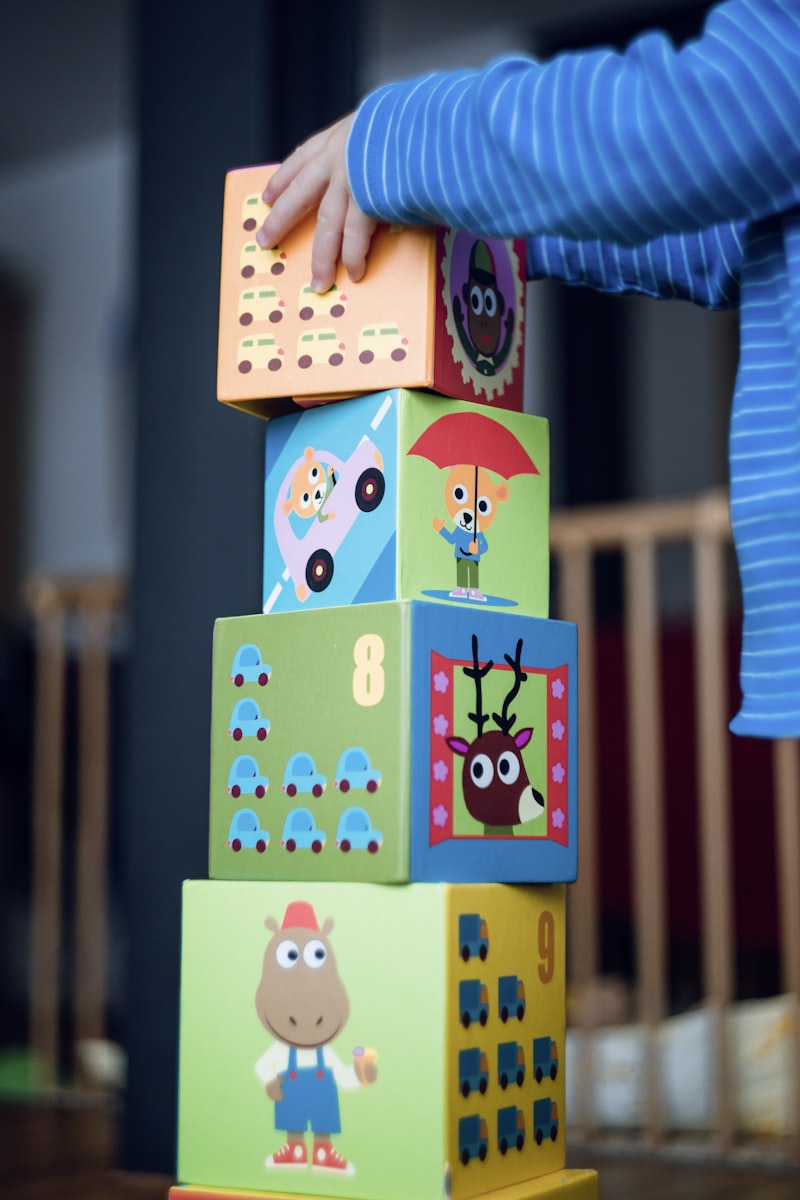
In practice, holistic learning in a long day care setting looks like a child who spends the morning building a complex structure with blocks (cognitive, fine motor, social), then moves to the outdoor space to run and climb (gross motor, physical), then sits with an educator to look at a book about dinosaurs (language, cognitive, emotional connection), then navigates a disagreement with a friend about whose turn it is to use the wheelbarrow (social, emotional).
None of these experiences is isolated. Each one contributes to the child's development across multiple domains simultaneously. A holistic educator notices and supports all of these dimensions, not just the ones that are easiest to measure.