
When children play, they're doing the most important developmental work of their lives. Here's the science behind play-based learning.
The Myth of "Just Playing"
Parents sometimes worry that their child is "just playing" at childcare rather than learning. This concern, while understandable, reflects a misunderstanding of how young children learn. Play is not the opposite of learning — it is the primary vehicle through which children in the early years develop cognitively, socially, emotionally, and physically.
What the Research Says
Decades of research in developmental psychology and neuroscience consistently show that play-based learning produces better long-term outcomes than formal, academic instruction for young children. Children who attend play-based early childhood programs show greater creativity, problem-solving ability, social competence, and motivation to learn than those in more structured, academic programs.
What Children Learn Through Play
Cognitive development
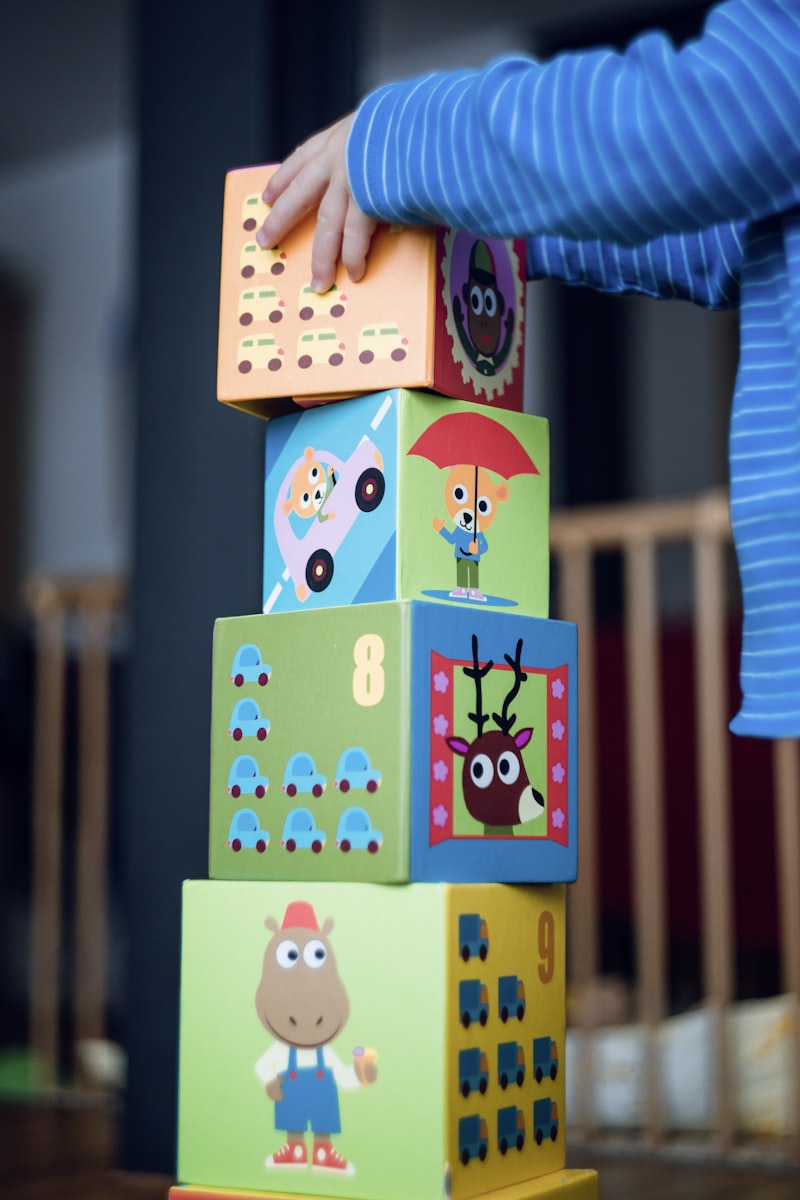
When children build with blocks, they're learning about physics, spatial reasoning, and mathematics. When they engage in dramatic play, they're developing narrative thinking, perspective-taking, and symbolic representation — foundational skills for literacy.
Social and emotional development
Play is where children learn to negotiate, cooperate, manage conflict, regulate their emotions, and develop empathy. These skills are as important for long-term success as academic knowledge.
Language development
Play creates rich contexts for language development. Children use language to direct play, negotiate roles, describe their thinking, and make sense of the world.
Physical development
Active play develops gross motor skills, coordination, balance, and physical fitness. Fine motor play (drawing, cutting, threading, building) develops the hand strength and coordination needed for writing.
The Role of Educators
Quality play-based learning is not simply leaving children to do whatever they want. Skilled educators observe children's play, identify learning opportunities, and intentionally extend children's thinking through questions, provocations, and the careful design of the environment.
At Jenny's ELC, our educators are trained to see the learning in every moment of play — and to document it in ways that make children's thinking and development visible to families.