
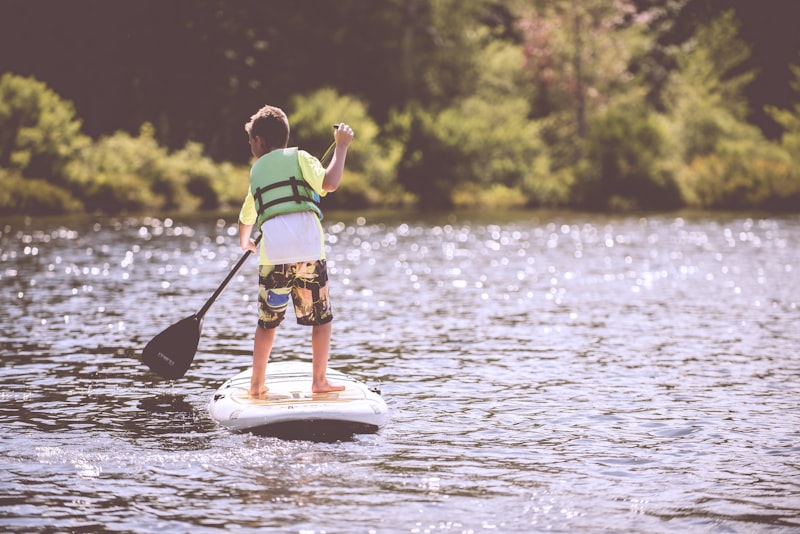
Children are spending less time outdoors than ever before. Here's why nature play matters — and how we prioritise it at Jenny's ELC.
The Nature Deficit
Research suggests that children today spend significantly less time outdoors than previous generations. The average Australian child spends less than 2 hours per day outside — far less than the 3+ hours that research suggests is optimal for healthy development.
The Benefits of Nature Play
Physical development
Outdoor environments provide opportunities for the kind of vigorous, varied physical activity that develops gross motor skills, coordination, balance, and physical fitness. Climbing, running, jumping, digging, and balancing on uneven surfaces all contribute to physical development in ways that indoor environments simply cannot replicate.
Cognitive development
Nature is endlessly complex and variable — it provides rich opportunities for scientific thinking, problem-solving, and mathematical reasoning. Children who regularly play in natural environments develop stronger attention, creativity, and cognitive flexibility.
Emotional wellbeing
Time in nature reduces stress, anxiety, and aggression in children. Natural environments have a restorative effect on the nervous system — children who spend time outdoors are calmer, more focused, and better able to regulate their emotions.
Risk assessment and resilience
Outdoor play — particularly in natural environments with some element of challenge and risk — helps children develop risk assessment skills, resilience, and confidence. Children who are never allowed to take physical risks miss important developmental experiences.
Nature Play at Jenny's ELC
At Jenny's ELC, outdoor learning is not an afterthought — it's central to our program. Our outdoor environments include:
- Kitchen gardens where children grow, harvest, and cook vegetables
- Mud kitchens for sensory and imaginative play
- Natural loose parts (sticks, rocks, shells, pinecones) for open-ended construction and play
- Sandpits, water play areas, and digging patches
- Climbing structures and spaces for active, physical play
Children spend a significant portion of each day outdoors, in all weather (with appropriate clothing and shelter). We believe connection to nature is not a luxury — it's essential.